McDonald's India Hit by Everest Ransomware: 861 GB Data Leak Reported
Posted:
January 20, 2026
Views:
728
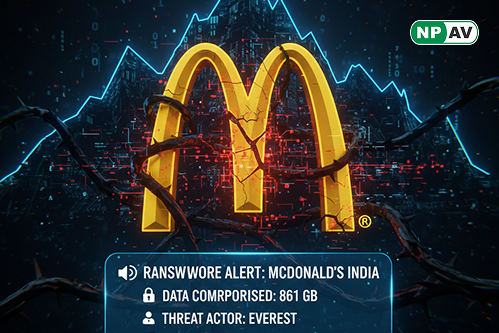
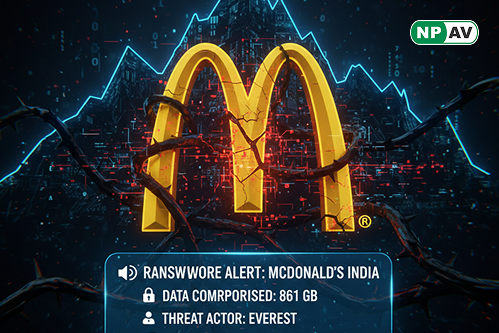
A major cybersecurity alert has hit McDonald’s India, with the notorious Everest ransomware group claiming to have breached the fast-food giant’s systems. Reported on January 20, 2026, the threat actors allege they have exfiltrated a staggering 861 GB of data. While the company has yet to provide an official confirmation, the Everest group has already added the subsidiary to its dark web leak site, signaling a high-stakes extortion attempt.
The Everest group is well-known in the cybercrime world for "pure extortion"—specializing in the theft and sale of sensitive corporate data rather than just encrypting files. This incident follows a series of aggressive moves by the group against global brands like ASUS and Nissan. In this case, the compromised data reportedly includes a vast array of internal records and customer information, posing a significant risk for identity theft and targeted phishing campaigns across the region.

For customers and employees, the priority is immediate account security. Experts recommend changing passwords for the McDonald’s app and any linked services, as well as enabling multi-factor authentication (MFA). As the situation develops, users should remain vigilant against suspicious emails or messages that may use leaked details to appear legitimate.
NPAV offers a robust solution to combat cyber fraud. Protect yourself with our top-tier security product, FraudProtector.net

Comment(s)
Recent Posts