Mobile Frauds
-
 Read moreA recent case investigated by Delhi Police shows how dangerous APK fraud can be. A Delhi man reportedly lost ₹6.57 lakh after clicking an SMS link and installing a malicious APK file. Police traced part of the stolen money and arrested three people allegedly involved in moving the fraud funds through cards and banking channels.
 -
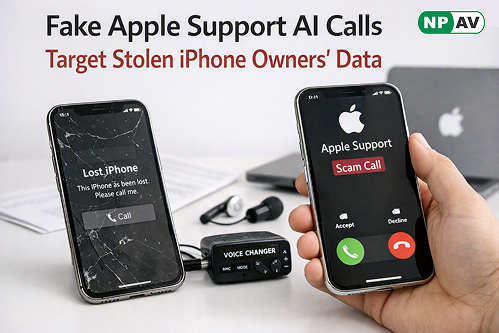 Read moreCybercriminals use AI-powered fake Apple Support calls and phishing pages to steal iPhone passcodes, Apple ID credentials, and 2FA codes.
 -
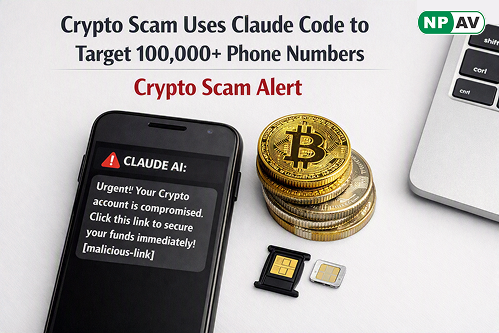 Posted: August 18, 2026Views: 57Read moreA new crypto scam uses Claude Code, phone databases, phishing, and fake wallet apps to target cryptocurrency users and steal recovery phrases.
 -
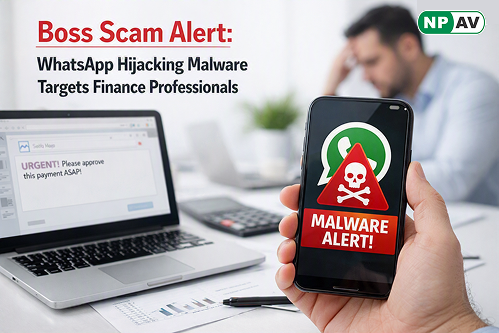 Posted: August 14, 2026Views: 105Read moreNew Boss Scam attacks hijack WhatsApp Web sessions using malicious files. Learn how organizations can protect finance teams and endpoints.
 -
 Read moreResearchers uncovered the Papyrus mobile ad fraud campaign, which uses hidden WebViews inside reading apps to generate fake clicks, scrolling, and ad engagement, impacting advertisers worldwide.
 -
 Posted: August 03, 2026Categories: Malware Alerts, Cyber Attack, Data Breach, Email And Password, Financial fraud, Fraud Protector, Mobile FraudsViews: 54Read moreMacSync malware targets macOS users through fake Claude installation guides, stealing passwords, browser sessions, cloud credentials, and cryptocurrency wallet data.
 -
 Posted: July 08, 2026Categories: Bank Phishing, Malware Alerts, Android Security, Banking Trojan, Financial fraud, Fraud Protector, Mobile FraudsViews: 278Read moreRedWing, a new Android Malware-as-a-Service (MaaS), is being rented on Telegram to steal banking credentials, OTPs, and control infected devices.
 -
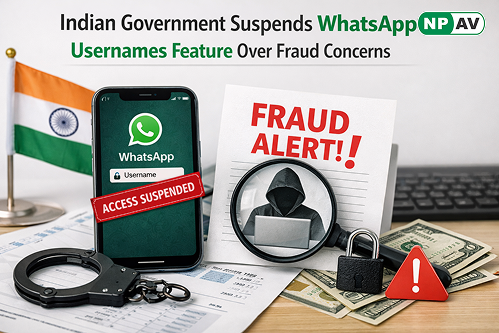 Posted: July 03, 2026Views: 77Read moreIndia halts WhatsApp's usernames rollout, citing concerns over phishing, impersonation, and online fraud. Meta must address security concerns before launch.
 -
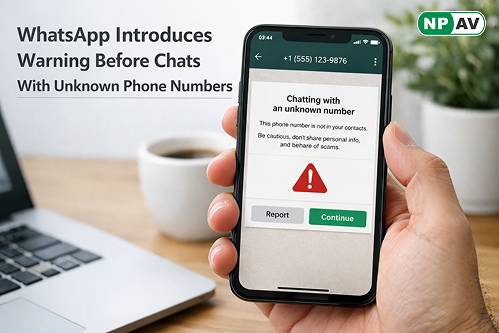 Read moreWhatsApp is rolling out a new security warning that alerts users before starting chats with unknown phone numbers, helping prevent scams and impersonation attacks.
 -
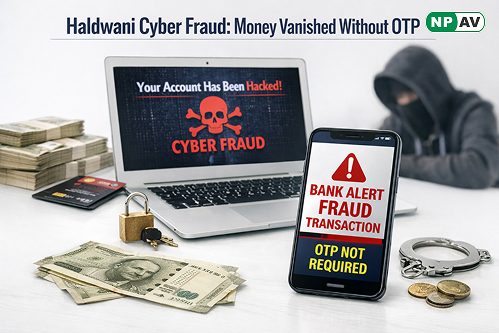 Read moreA Haldwani resident reportedly lost over ₹2.5 lakh through unauthorized banking transactions without sharing OTPs or clicking suspicious links, raising concerns over advanced cyber fraud techniques.
Recent Posts