Bank Phishing
-
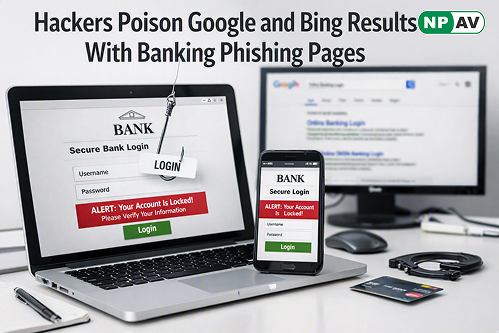 Read moreHackers are poisoning Google and Bing results with cloaked banking phishing pages designed to steal credentials. Learn how users can stay protected.
 -
 Read moreNetProtector researchers uncovered a Japan-India Summit themed phishing campaign using malicious LNK files, PowerShell, and C2 beaconing to target diplomatic and government organizations.
 -
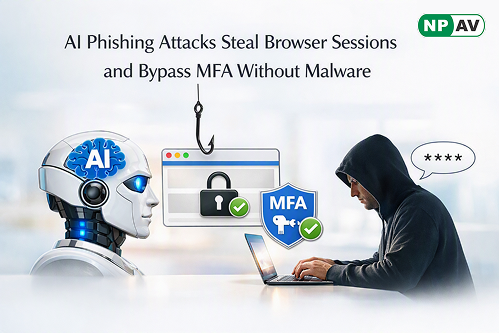 Posted: July 31, 2026Views: 55Read moreAI-generated phishing attacks can steal browser sessions and bypass MFA without malware. Learn how AiTM attacks target session tokens and how businesses can improve security.
 -
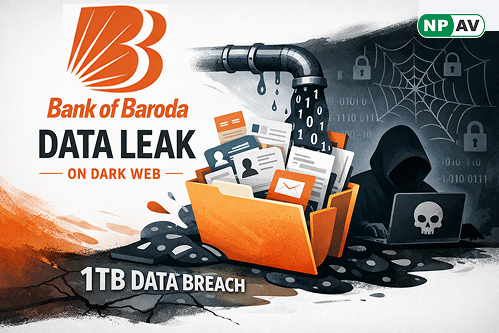 Posted: July 27, 2026Views: 132Read moreA suspected 1TB Bank of Baroda data leak has reportedly exposed customer records, Aadhaar details, account information, and internal banking documents online.
 -
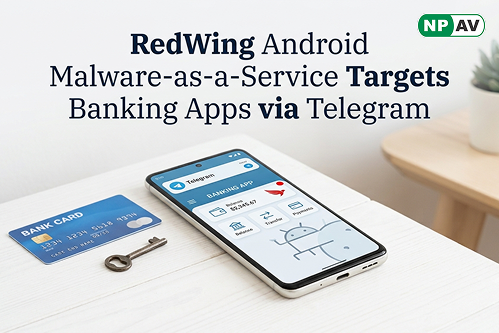 Posted: July 08, 2026Categories: Bank Phishing, Malware Alerts, Android Security, Banking Trojan, Financial fraud, Fraud Protector, Mobile FraudsViews: 257Read moreRedWing, a new Android Malware-as-a-Service (MaaS), is being rented on Telegram to steal banking credentials, OTPs, and control infected devices.
 -
 Posted: June 10, 2026Views: 75Read moreExplore the potential impact of Claude Mythos on India's financial sector, including cybersecurity risks, digital banking challenges, and the need for stronger financial security measures.
 -
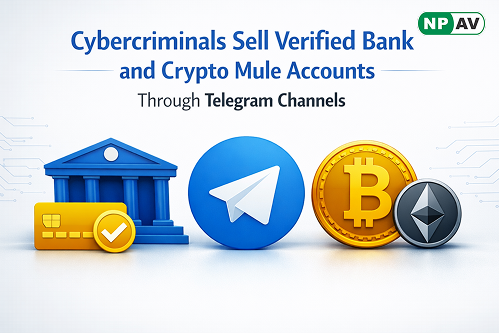 Posted: May 28, 2026Views: 134Read moreCybercriminals are using Telegram channels to sell verified bank accounts, fintech wallets, and crypto exchange accounts for money laundering operations powered by AI-generated identities and deepfake KYC bypass techniques.
 -
 Posted: April 22, 2026Views: 117Read moreNew LOTUSLITE malware linked to Mustang Panda targets India’s banking sector and South Korean policy groups in advanced cyber-espionage attacks.
 -
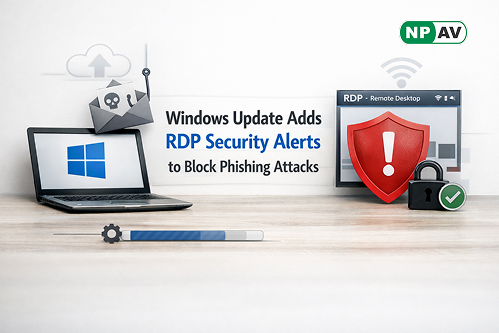 Posted: April 20, 2026Views: 74Read moreMicrosoft introduces new RDP warnings in April 2026 update to prevent phishing attacks via malicious .rdp files and unauthorized remote access.
 -
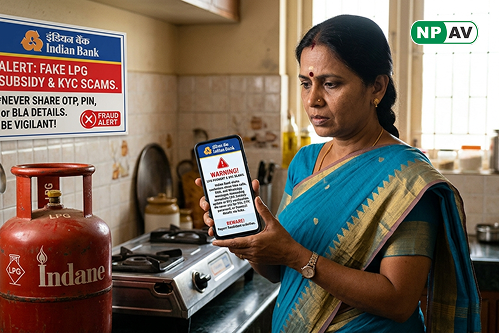 Posted: April 08, 2026Views: 167Read moreIndian Bank alerts users about fake LPG payment and KYC scams spreading via WhatsApp and SMS to steal banking details and commit fraud.
Recent Posts