Bank of Baroda Email Breach Highlights the Need for Stronger Email Security
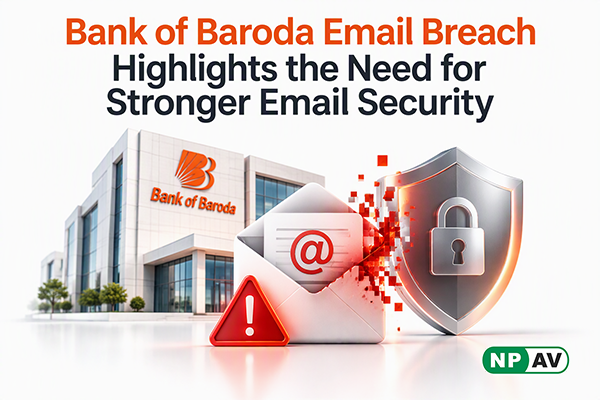
Bank of Baroda's cybersecurity incident has highlighted how a single compromised employee email account can create risks for an entire organisation. On July 27, 2026, the bank confirmed that an employee's email account had been accessed without authorisation, exposing certain data. The bank stated that the incident was detected and contained quickly, its core banking systems remained unaffected, and an investigation was initiated with the relevant authorities.
The incident attracted further attention after reports claimed that nearly 1 TB of sensitive information had been leaked online. However, Bank of Baroda has not confirmed these reported figures or the alleged exposure of customer and loan records. A November 2 report also highlighted plans for increased technology and cybersecurity spending, alongside improvements in employee training, identity verification and internal access controls. These developments underline the growing importance of email security in the banking sector.
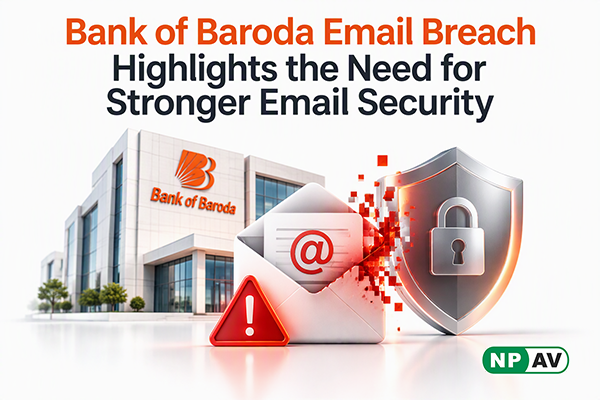
Email accounts are valuable targets because they often contain business documents, financial information, customer details and internal communications. Cybercriminals who gain access can misuse existing conversations to send convincing fraudulent requests, impersonate employees or attempt business email compromise attacks. Bank customers should remain alert to suspicious calls, emails and messages claiming that their accounts are affected. Never share OTPs, PINs or banking credentials, and verify unexpected requests through official banking channels. Businesses should strengthen email passwords, enable multi-factor authentication, train employees to recognise phishing attempts and regularly review access to sensitive accounts.
Email-based cyberattacks highlight the importance of protecting devices against phishing, fraudulent emails and other online threats. Net Protector's Total Security Fraud Protector offers email protection against spam and fraudulent emails, along with protection for identity, passwords and payments. Businesses can also consider NPAV's Admin Console Corporate Edition Endpoint Security for centrally managed endpoint security and device controls. These solutions can support an organisation's security strategy alongside employee awareness, multi-factor authentication and proper access management.

Comment(s)
Recent Posts