Online Task Job Scams in India: How “Rate and Earn” Offers Trap You
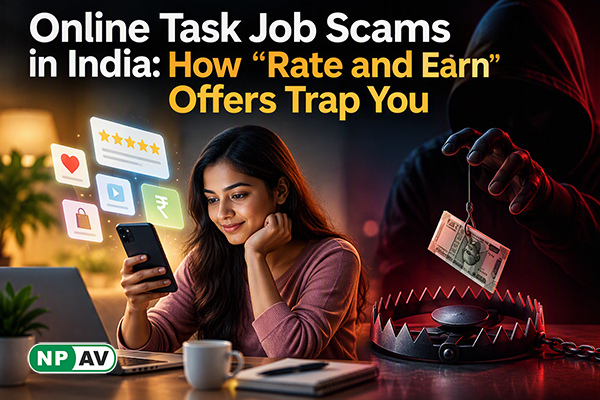
Online task job scams often begin with an easy offer: like videos, rate businesses or post reviews for quick money. The scammer may contact you through WhatsApp, Telegram or an online ad, promising flexible part-time work. A small first payment can make the offer seem genuine.
The next step is often a “premium” task that requires you to deposit money. A website or app may show your balance increasing, then demand extra payments to upgrade your account or withdraw your earnings. These displayed balances may not be real, and paying more can lead to further demands or a frozen account.
The report describes alleged cases in Pune and Visakhapatnam, including a software engineer who reportedly lost ₹3.5 lakh after receiving an initial ₹150 payment. Treat such case details as reported allegations. The larger lesson is that an early payout does not prove a job is legitimate. Be wary of unsolicited offers with unusually high pay, no clear employer details or requests to pay before earning.
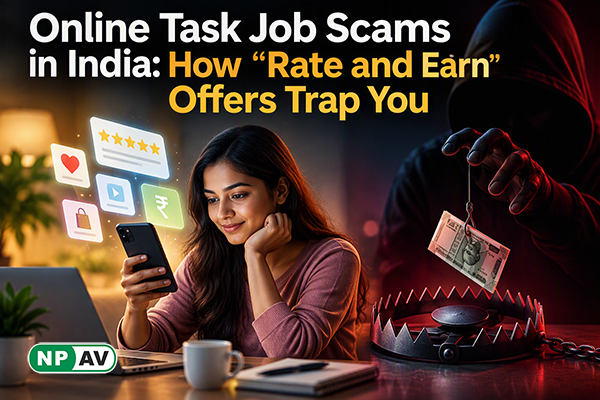
Never pay fees to get a job, unlock tasks or withdraw earnings. Avoid sharing OTPs, banking passwords or identity documents, and don’t install unfamiliar apps at a recruiter’s request. If you have sent money, contact your bank promptly and report the incident by calling 1930 or visiting cybercrime.gov.in. Save messages, screenshots and payment details; reporting quickly may help intervention, but recovery is not guaranteed.
For safer browsing, NPAV’s Total Security Fraud Protector is offering identity, password, email and payment protection.

Comment(s)
Recent Posts