Fake Trading App Scams Use WhatsApp Groups to Build Trust
Posted:
November 06, 2026
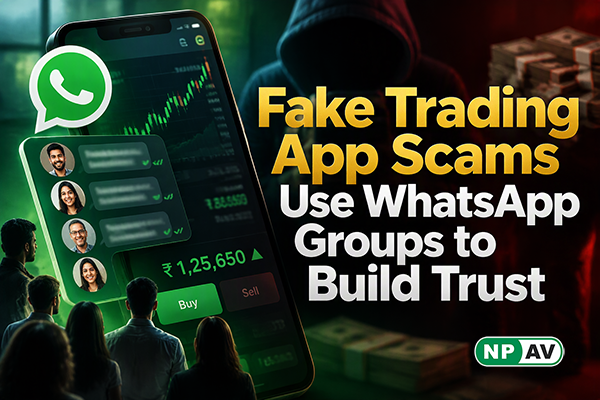
A WhatsApp group filled with trading tips and screenshots of profits can seem convincing. But these signs do not prove that an investment platform is genuine. A reported case from Kolkata shows how scammers can use group chats and fake trading portals to gain victims’ trust.
According to a complaint described in a November 5 report, a 45-year-old Kolkata woman lost about Rs 1.2 crore in an alleged fake stock trading scheme. She reportedly joined a WhatsApp group where members shared market advice and claimed profits. People posing as investment representatives directed her to a trading portal, which displayed gains and initially allowed a small withdrawal. Later, she was asked to deposit more money and pay a fee to release her funds. The complaint’s allegations have not been proven in court, and the investigation is ongoing.
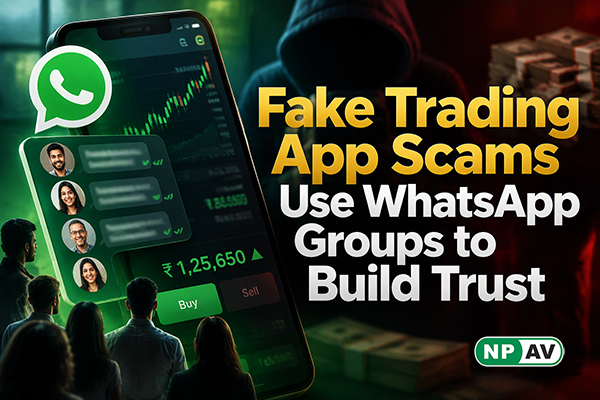
The pattern is a warning: displayed profits and a successful early withdrawal do not establish that a platform is legitimate. Be cautious of unsolicited investment tips, pressure to deposit more, and demands for “tax” or brokerage payments before you can withdraw. Verify the broker or adviser through SEBI’s official channels, and use the broker’s verified website or app. Don’t rely on group members’ claims or screenshots as proof.
If you suspect fraud, stop sending money, contact your bank and report it promptly by calling 1930 or visiting cybercrime.gov.in. Net Protector’s Total Security Fraud Protector is described as protecting identities, passwords, emails and payments from online threats, identity theft and payment fraud.

Comment(s)
Recent Posts