Fake Bank Accounts in Your Name: How Biometric Misuse Can Enable Cyber Fraud
Posted:
November 04, 2026
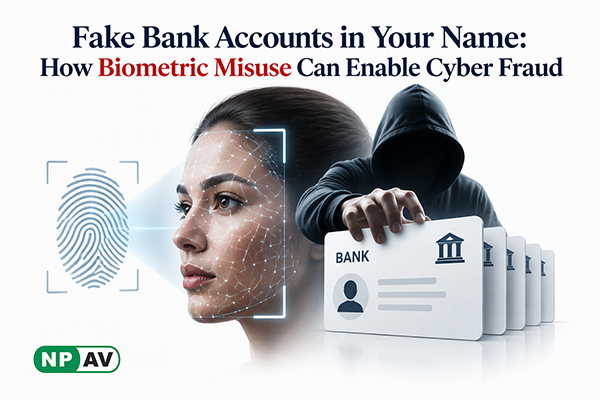
A recent case reported from Rampur, Uttar Pradesh, highlights how identity details collected during routine services may be misused. Police allege that a suspect used forged agent credentials to open bank accounts in other people’s names.
According to the report, about 75 accounts were allegedly opened without the account holders’ knowledge, and more than ₹50 lakh in suspected cybercrime proceeds was withdrawn through ATMs. The investigation is ongoing, and the details remain allegations. The report describes forged identity credentials; it does not establish that fake Aadhaar cards were used.
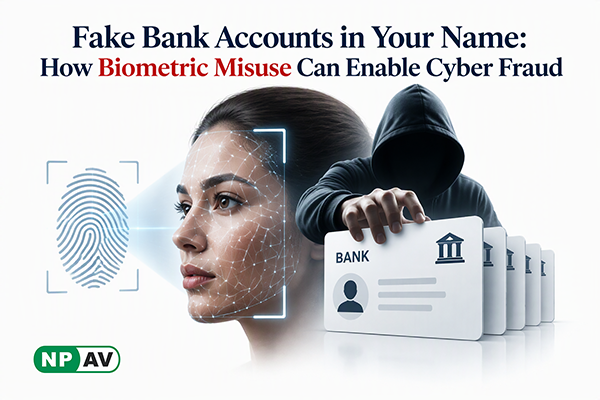
The alleged method involved asking people at local centres to scan their thumb a second time, supposedly as part of an enrolment or update. An account opened in your name could be used to move stolen money and may lead to police enquiries or frozen funds, even if you did not know it existed.
Be cautious if asked to provide repeat biometrics: ask why they are needed, use authorised centres, and keep receipts. Check bank messages and statements for unfamiliar accounts or transactions. If you discover an account you did not open, contact the bank and report it promptly through India’s cybercrime helpline at 1930 or cybercrime.gov.in. For Aadhaar-related concerns, review your authentication history and use the official Aadhaar service to lock biometrics when appropriate.
This case involves alleged misuse of identity data at enrolment centres, which device security software cannot prevent. For related online risks, NPAV offers Total Security Fraud Protector, which includes protection for identity, passwords, email and payments. It may support online fraud protection, while careful handling of documents and biometrics remains essential.

Comment(s)
Recent Posts