VOLTA Infostealer Uses AI to Identify High-Value Windows Users
Posted:
November 03, 2026
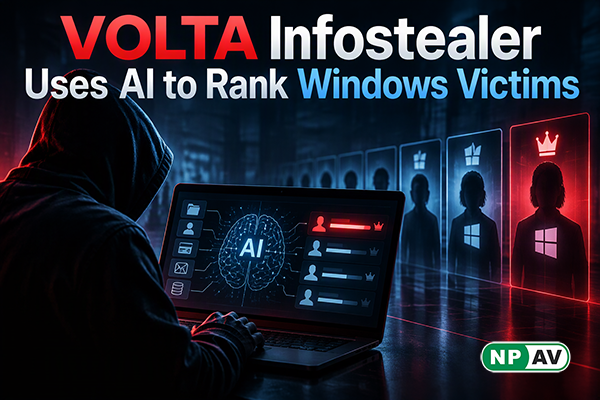
A newly reported Windows infostealer called VOLTA can collect passwords, browser cookies, payment card details, messaging and gaming sessions, cryptocurrency wallet information, and cloud access keys. Stolen cookies and sign-in tokens may let criminals access accounts without entering the password.
VOLTA also gathers details that can help build a profile of its victim. It can use an email session to search for purchase receipts, for example, and combine that information with other data taken from the computer. The malware then sends the profile to AI models, which assess the potential value of the victim’s information and rank it as low, medium, or high. The collected data and assessment are sent to the operators through Telegram.
The report does not explain how VOLTA reaches victims, and it does not provide India-specific victim figures. However, the types of information it targets—email sessions, saved passwords, payment details, and work accounts—are relevant to Windows users and businesses everywhere. Limiting saved credentials, using unique passwords and multi-factor authentication, and reviewing active account sessions can reduce the impact of a stolen login.
Download software only from trusted sources, avoid unexpected links and attachments, and keep Windows, browsers, and security software updated. If you suspect a computer is infected, use a clean device to change important passwords and sign out of active sessions.
Net Protector Total Security is listed as providing real-time, multilayered PC protection, including antivirus and anti-malware features. It can be part of a Windows security setup, alongside safe downloading habits and multi-factor authentication.

Comment(s)
Recent Posts