3.5 Billion Records Exposed: How Infostealer Malware Puts Passwords at Risk
Posted:
November 25, 2026
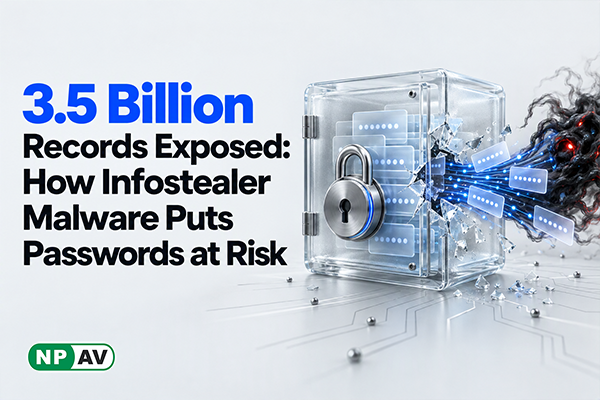
Two unsecured databases discovered online contained more than 3.5 billion records combined, including identity details and login information. One reportedly held around 1.64 billion documents, while the other contained about two billion credential records, such as email addresses, passwords, browser cookies and session tokens.
The exposed data does not represent 3.5 billion people. Records may be duplicated or outdated, and researchers did not establish how many individuals are affected. The data’s appearance suggests that much of the login information may have been collected by infostealer malware, which can copy saved credentials from an infected device. There is no indication that the services listed in the records were themselves breached.
Infostealers can reach computers through unsafe downloads, cracked software, malicious links and attachments. Stolen passwords may put email, social media and work accounts at risk. Session cookies can sometimes let an attacker access an account without entering its password.
If you suspect a device is infected, scan and clean it before changing passwords. Then use a clean device to update important passwords, starting with your primary email account. Choose a unique password for each service, enable multi-factor authentication and sign out of active sessions. Avoid unofficial downloads, and monitor financial accounts for unusual activity.
Infostealer malware highlights why device security matters alongside strong passwords and multi-factor authentication. NPAV Total Security offers antivirus and anti-malware protection for PCs, which can help users reduce exposure to malicious software.

Comment(s)
Recent Posts