Jumped Deposit Scam in India How to Stay Safe from Fake UPI Refund Requests
Posted:
October 12, 2026
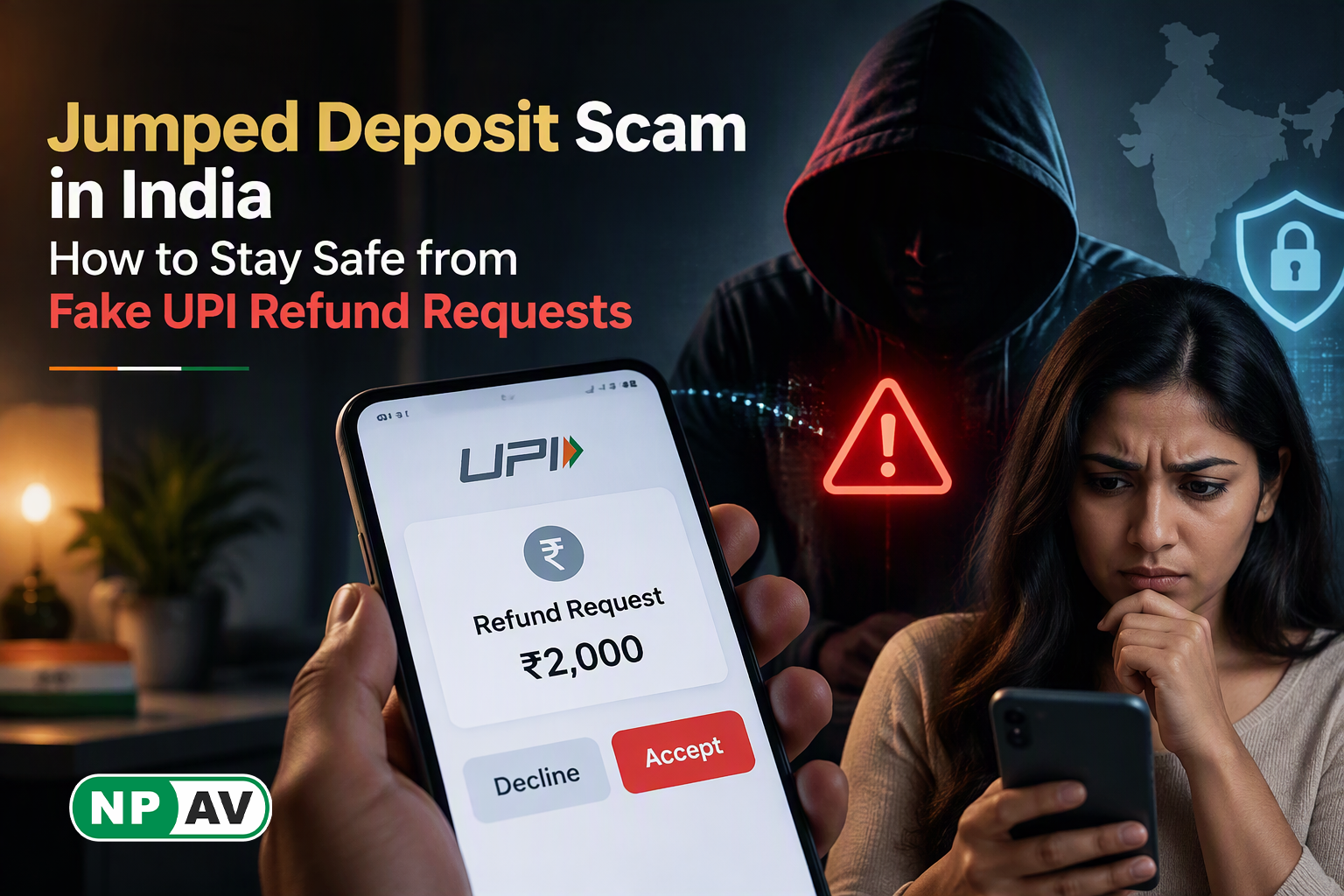
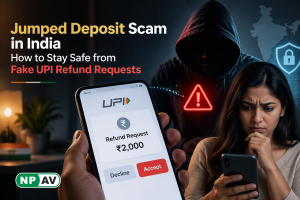
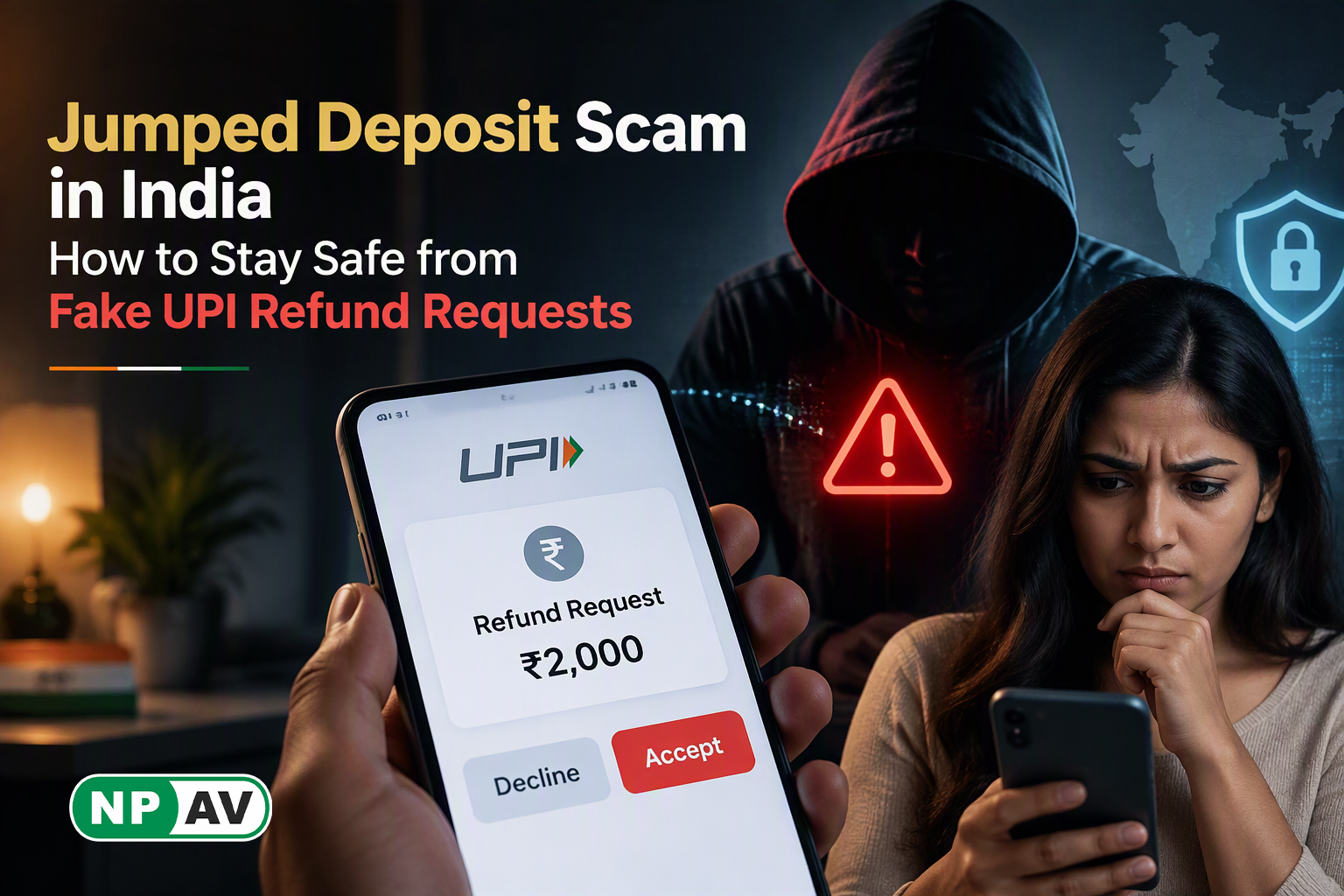
An unexpected UPI credit followed by a call asking for an immediate refund could be a warning sign of fraud. The State Bank of India (SBI) has reportedly warned customers about this tactic, known as the jumped deposit scam, where fraudsters exploit confusion over a supposed mistaken payment to trick people into sending money.
The scam typically begins when someone claims to have transferred money to the wrong account. They contact the recipient, explain the alleged mistake and pressure them to return the amount quickly. The fraudster may then manipulate the victim into approving a UPI payment request that sends money to the scammer instead. The key risk is acting without carefully checking the transaction and the payment request.
UPI users, senior citizens, first-time digital payment users and small business owners should be particularly cautious about unexpected credits and refund requests from strangers. Never enter your UPI PIN to receive money—the PIN authorises a payment from your account. Do not approve an unfamiliar collect request or transfer funds simply because a caller sounds urgent or convincing. Verify the transaction through your bank’s official app, helpline or branch, and let the bank guide you through any genuine payment dispute.
If you suspect fraud, contact your bank immediately. If money has been lost to cyber fraud, call India’s cybercrime helpline at 1930 and report the incident at cybercrime.gov.in. Businesses should also train employees to handle claims of mistaken payments through official banking channels rather than issuing refunds from personal UPI accounts. The safest response to an unexpected deposit is to pause, verify and avoid making a hurried payment.
UPI scams often rely on manipulation, but fraudulent links and fake payment websites can create additional risks. Net Protector’s Total Security Fraud Protector offers protection against phishing links, unsafe websites and online payment-related threats. It can provide an additional layer of security while browsing, alongside careful UPI payment practices. It does not replace safe payment habits or your bank’s fraud-reporting process.

Comment(s)
Recent Posts