Fake Bank APK Scam in India: How to Avoid WhatsApp APK Fraud
Posted:
October 06, 2026
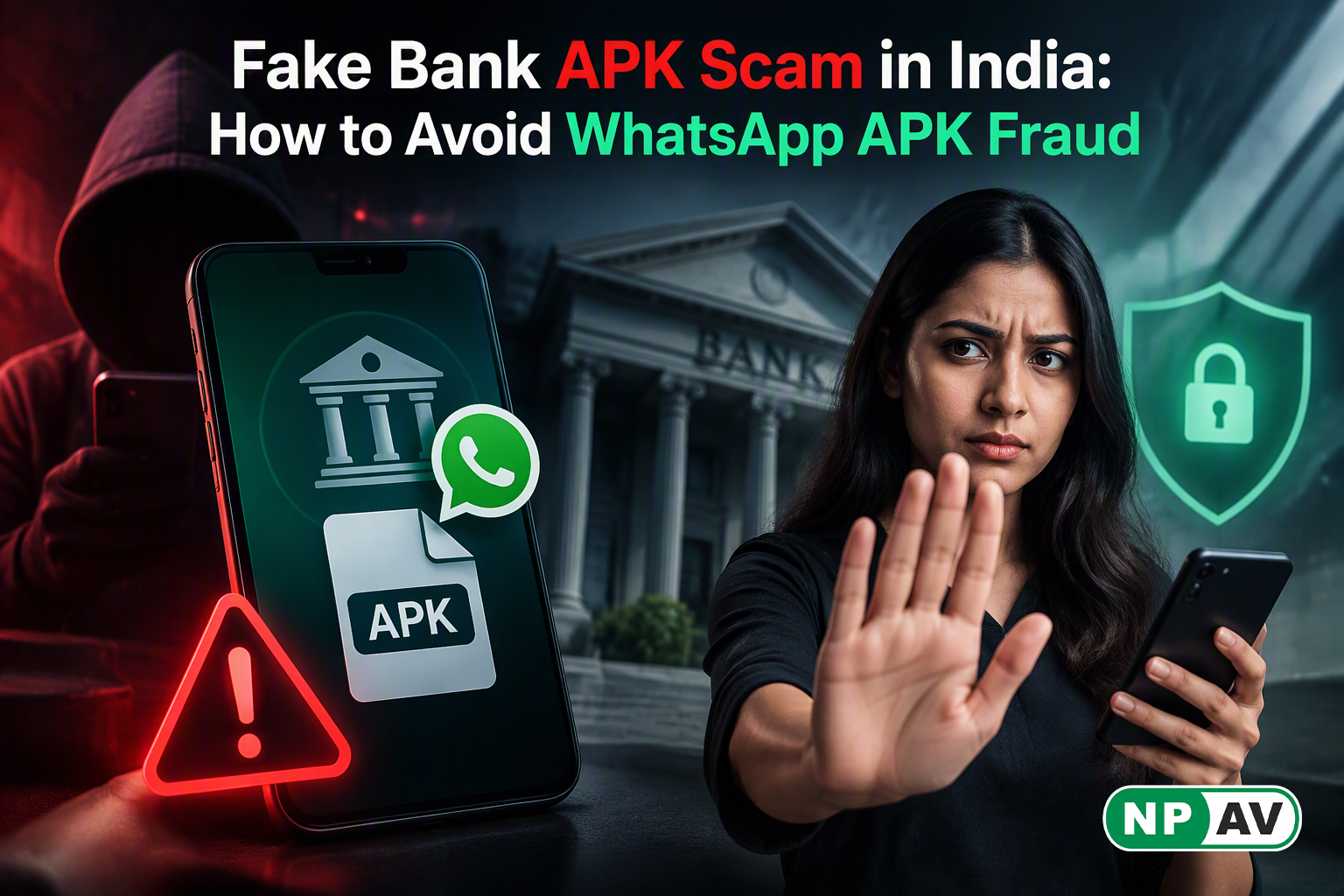
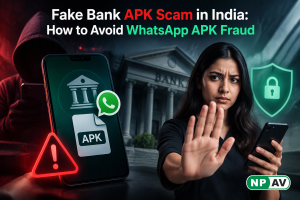
A phone call from someone claiming to be a bank official, followed by a WhatsApp message containing an app, can put a person's money at risk. A recent Mumbai Crime Branch investigation highlights how malicious Android apps are being used as part of banking fraud schemes in India.
According to reports published on October 5, 2026, police arrested a 36-year-old software developer from Madhya Pradesh who allegedly created and supplied 2,805 malicious APK files to cybercrime groups. The files are reportedly linked to around ₹15.75 crore in losses involving 9,673 victims. Police also reportedly identified 1,074 complaints through the 1930 cybercrime helpline. The investigation is continuing, and these figures are based on police allegations reported by the media.
The reported scam involved callers posing as bank representatives and offering services such as senior citizen cards or pension verification. Victims were then asked to install an APK received through WhatsApp and enter personal or banking information. In one reported case, a 72-year-old victim allegedly lost ₹5.62 lakh. Malicious apps can potentially access sensitive information, including messages and OTPs, depending on the permissions they receive.
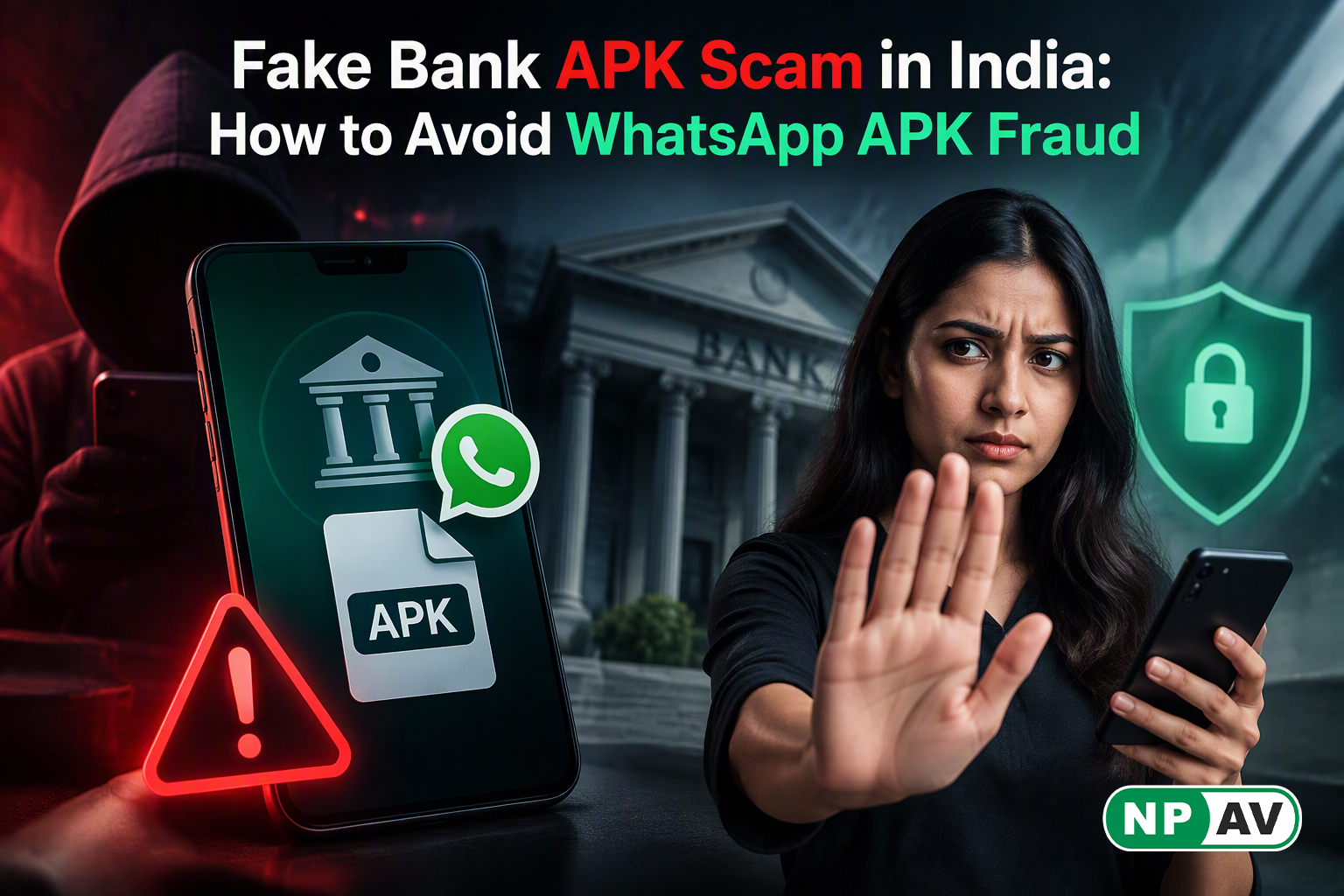
Never install an APK received through WhatsApp, SMS, Telegram or email, even if the sender claims to represent your bank. Download apps only through official app stores and check the developer name before installing.
Banks do not ask customers to share PINs, passwords, card details or OTPs over a phone call. If someone contacts you about a banking issue, end the call and contact the bank through the official number on your card or website.
Users should also avoid granting unfamiliar apps Accessibility access or permission to install unknown applications. If you suspect that you have installed a malicious app, contact your bank immediately, secure your accounts from a trusted device and report suspected cyber fraud through 1930 or cybercrime.gov.in.
The Mumbai case is a reminder that fake apps can turn a convincing phone call into a serious financial threat. A simple rule can help: never install a banking or verification app sent to you through a message.
Fake apps and phishing attempts can expose users to payment fraud and identity theft. Net Protector's Total Security Fraud Protector is designed to provide protection against such online risks. Users should check the official Net Protector website for the latest product features and supported devices. Security software should complement—not replace—careful online behaviour.

Comment(s)
Recent Posts