SIM Card Fraud in India: Check Connections Issued in Your Name
Posted:
November 18, 2026
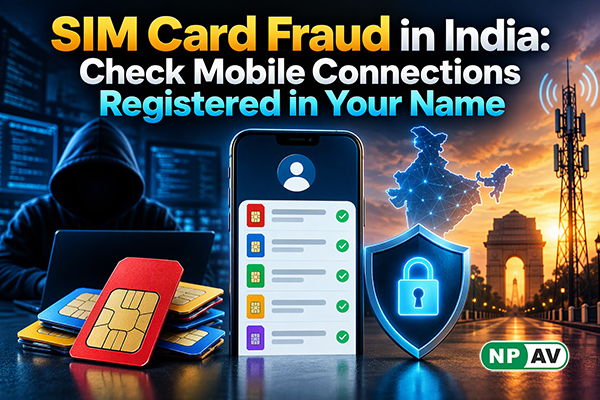
Police in Pimpri Chinchwad, Maharashtra, are investigating an alleged racket that supplied Indian SIM cards to cyber fraudsters in Dubai. The case is a reminder that identity documents shared to buy a SIM can be misused to activate extra connections without the customer’s knowledge.
Police allege that vendors used genuine customers’ KYC details to issue additional SIM cards in the Mumbai telecom circle. The cards were reportedly taken to Dubai and used to send fraudulent links to Indian bank customers. The investigation has led to several arrests, but the reported number of SIM cards and details of the alleged operation remain part of the police investigation.
SIM cards registered to unsuspecting people can give fraudsters a way to make messages or links appear more credible. The person whose details were used may also face questions about activity connected to a number they never knowingly obtained.
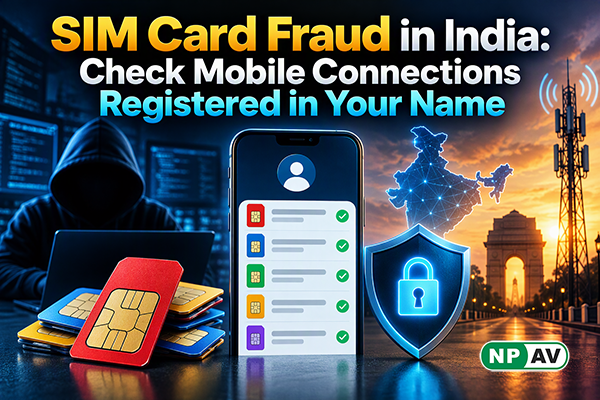
Check the mobile connections registered in your name through the “Know mobile connections in your name” service on the Sanchar Saathi portal, and report any number you do not recognise. Be careful with copies of identity documents, avoid links in unexpected bank messages, and use your bank’s official app or website instead. If you lose money to cyber fraud, call 1930 promptly and file a complaint at cybercrime.gov.in.
Fraudulent links are one way cyber criminals try to steal banking and personal information. Net Protector Total Security includes an Anti-Phishing and Adware Blocker to help protect PC users while browsing. This kind of software protection can complement careful online habits, while checking Sanchar Saathi remains a practical way to spot mobile connections issued in your name.

Comment(s)
Recent Posts