Mule Account Fraud in India: Why Lending Your Bank Account Is Risky
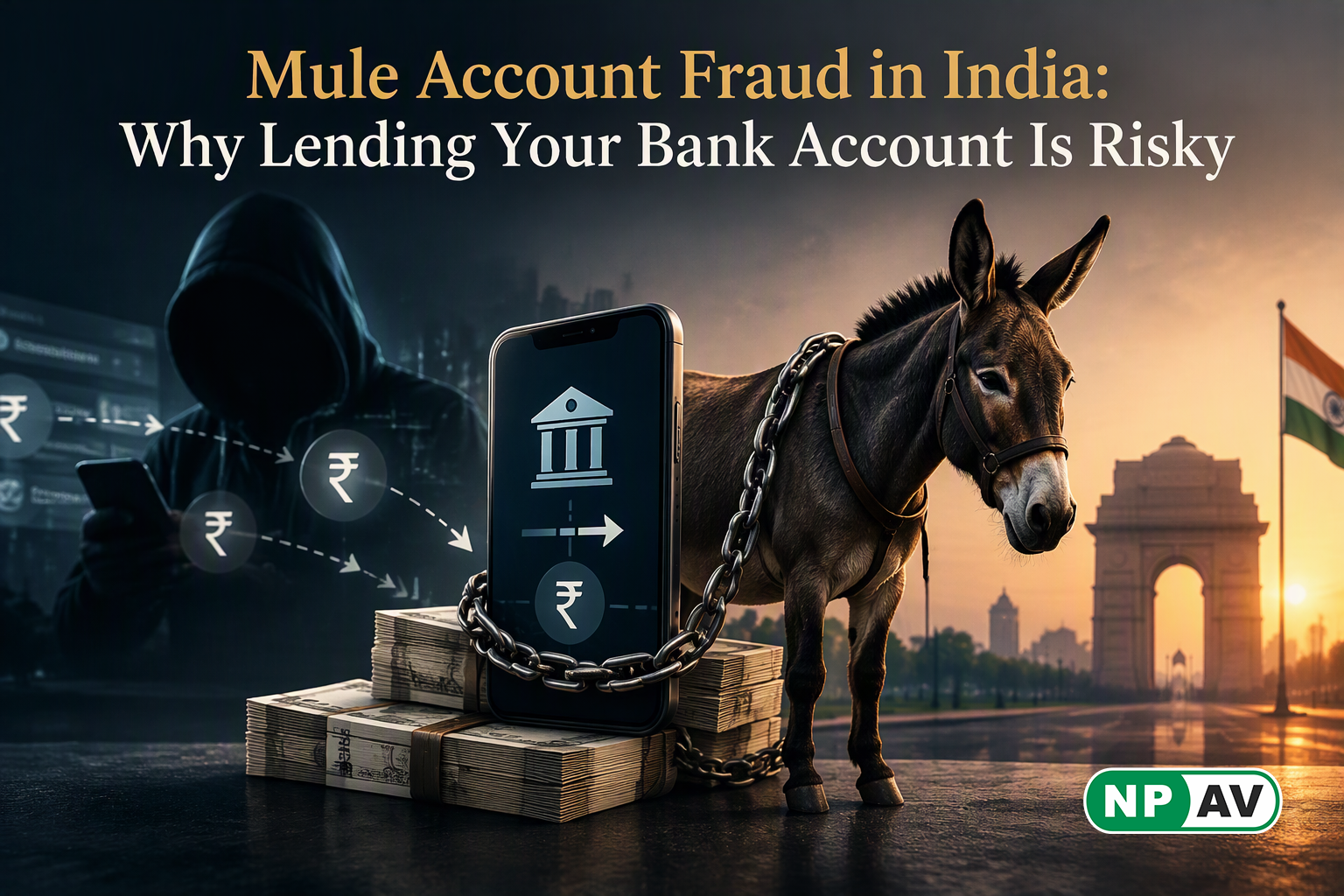
Cyber fraud does not end when a victim sends money. Fraudsters also need bank accounts to receive and move stolen funds. These accounts, often provided by people recruited for quick commissions, are known as mule accounts.
A recent Pune case shows how such networks can operate. Wanavdi police reportedly arrested five men in connection with an alleged mule-account racket linked to online fraud involving ₹1.80 crore and 19 victims across India. Police said the arrests were made on August 28, 2026. Investigators reportedly found that bank accounts were arranged and used to route money connected to fraudulent transactions.
According to the reported police allegations, an account coordinator received around ₹3,000 for arranging each account, while account holders were promised about ₹5,000 for opening accounts in their own names and allowing others to use them. The case is a reminder that a bank account remains the account holder’s responsibility, even when someone else is operating it.
Students, job seekers, gig workers and others looking for easy income may be targeted with offers to “rent” or provide an account. Such arrangements can expose the account holder to frozen banking services, investigation and potential legal consequences. Businesses should also avoid giving outsiders uncontrolled access to company bank accounts, UPI IDs or payment credentials.
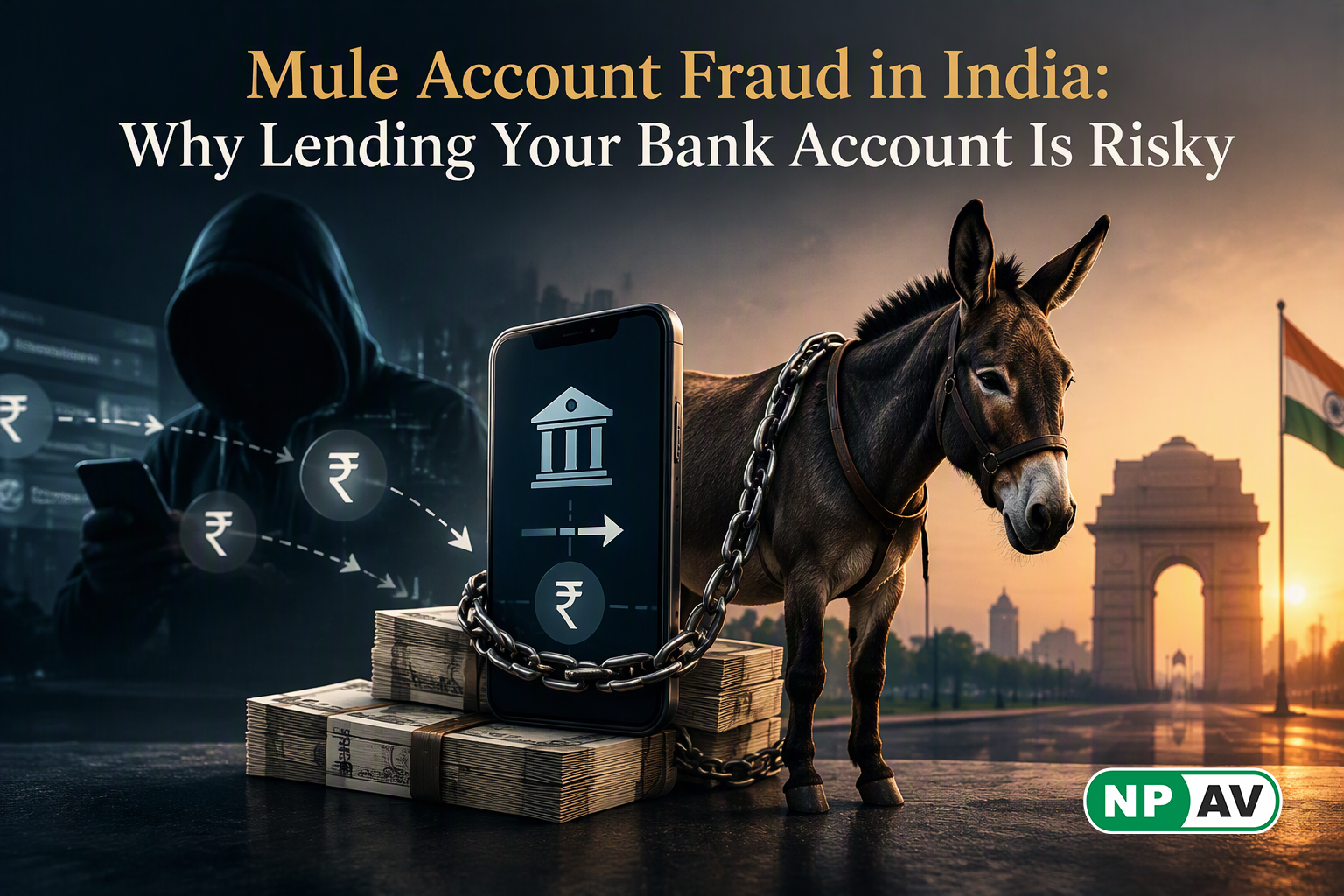
Never sell, lend or rent your bank account, ATM card, SIM or UPI ID. Be cautious of commission-based offers received through WhatsApp, Telegram or social media, and never hand over KYC documents or OTPs to strangers. If an unknown amount reaches your account, do not forward it elsewhere; contact your bank and report the transaction. If you become a victim of cyber fraud, report it quickly through 1930 or cybercrime.gov.in.
Mule-account recruitment cannot be solved by security software alone; refusing to share financial accounts is essential. For the wider risks surrounding online payments, phishing and scams, Net Protector Total Security Fraud Protector provides features including safe banking, browser protection and anti-scam protection, helping users strengthen their everyday digital security.

Comment(s)
Recent Posts