Rs 41 Crore NBFC Cyber Fraud Shows Why Payment Controls Matter
Posted:
November 19, 2026
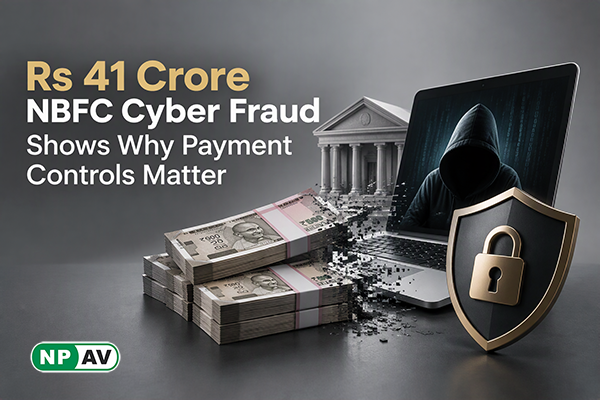
A Delhi-based non-banking financial company (NBFC) has reported an alleged loss of Rs 41.27 crore after 96 unauthorised transfers were made over roughly 90 minutes on November 16, 2026. The company reportedly noticed suspicious transactions while reviewing its accounts later that day, and an FIR was filed.
Police information cited in reports indicates that 12 NBFCs in Delhi-NCR have filed FIRs over the past three months, reporting alleged losses of more than Rs 300 crore. Investigators have not confirmed how the attackers accessed this company’s systems, so the precise method remains unclear.
The incident is a reminder that organisations moving money digitally need safeguards that work throughout the day. NBFCs, fintechs and SMEs can reduce exposure by requiring two-person approval for new payees and unusual transfers, setting transaction limits, enabling real-time alerts and using multi-factor authentication for payment accounts. Reviewing payment activity during business hours can also help teams spot suspicious transfers sooner.
Businesses should agree with their bank on how to freeze transfers quickly and report suspected financial cyber fraud promptly. A compromised payment account or computer can put funds at risk before an end-of-day review catches the problem.
Payment systems depend on secure business computers as well as strong approval processes. NPAV’s Admin Console Corporate Edition Endpoint Security lists advanced device control for business endpoints, which can support an organisation’s broader endpoint security measures. It should be used alongside payment approvals, transaction limits and account monitoring.

Comment(s)
Recent Posts