fp-5a
-
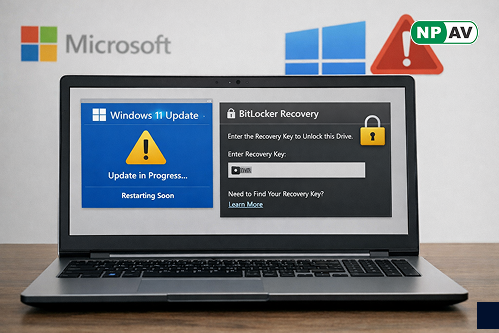 Read moreMicrosoft confirms Windows 11 April 2026 updates may force BitLocker recovery key entry due to policy issues, impacting enterprise systems and IT operations.
 -
 Read moreHackers allegedly stole 10 petabytes of sensitive data from a Chinese supercomputer, including defense files and missile schematics, now being sold online.
 -
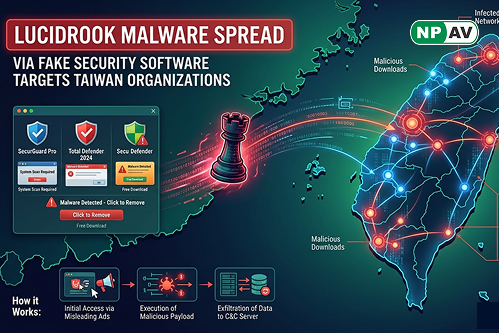 Read moreHackers use fake antivirus software to deliver LucidRook malware in targeted attacks on Taiwan NGOs and universities, exploiting spearphishing techniques.
 -
 Read moreHackers abuse Meta Business Manager notifications to send phishing emails from trusted domains, targeting businesses and stealing login credentials.
 -
 Read moreA critical Docker vulnerability (CVE-2026-34040) allows attackers to bypass authorization plugins and gain host access using crafted API requests.
 -
 Read moreNew GPUBreach attack uses RowHammer on GPU memory to gain full CPU access, bypassing protections and posing risks to AI and cloud systems.
 -
 Read moreNPAV’s Net Protector Endpoint Security-EDR earns VB100 certification with 97.59% malware detection and minimal false positives on Windows 11.
 -
 Read moreIndia plans to restrict Hikvision, Dahua, and TP-Link CCTV sales under new cybersecurity rules, boosting domestic surveillance brands and data security.
 -
 Read moreInfiniti Stealer is a new macOS malware spreading through fake Cloudflare CAPTCHA pages, tricking users into running malicious commands and stealing sensitive data.
 -
 Read moreA fake Telegram download site is distributing malware through a multi-stage loader that executes in memory, bypassing antivirus detection and enabling persistent attacks.
Recent Posts