Cyber Attack
-
 Read moreA woman from West Bengal has been arrested for her role in a ₹74.10 lakh investment fraud in Odisha. Learn about the scam's details and the rising trend of cybercrime targeting investors.
 -
 Posted: June 13, 2025Views: 327Read moreA major cyber fraud racket involving ₹2,050 crore has been uncovered in Surat, with over 160 fake bank accounts linked to an international network. Discover how the scam operated and the ongoing investigation.
 -
 Read moreOSR Ayurvedics, a Hyderabad-based skincare company, has fallen victim to a ₹12.7 crore cyber scam involving fake Google ads. Discover how cybercriminals exploited the brand and the implications for digital marketing.
 -
 Read moreGreyNoise warns of coordinated brute-force attacks on Apache Tomcat Manager interfaces, involving 295 malicious IPs. Learn about the risks and recommended security measures.
 -
 Read moreA new malware campaign disguised as an Instagram growth tool is stealing login credentials. Learn how "imad213" works and how to protect your account.
 -
 Posted: June 11, 2025Views: 146Read moreFIN6 cybercrime group uses fake resumes hosted on AWS to deliver More_eggs malware via LinkedIn. Learn how they target recruiters and evade detection.
 -
 Posted: June 10, 2025Views: 160Read moreDiscover how a China-linked cyber espionage group, including APT15 and UNC5174, targeted over 70 organizations across government, media, and other sectors. Learn about the malware used, including ShadowPad and GoReShell, and the exploited vulnerabilities.
 -
 Posted: June 10, 2025Views: 206Read moreLearn about the ransomware attack on Sensata Technologies, a leading industrial tech firm. Discover how the breach impacted operations, compromised customer data, and the company's response, including credit monitoring for affected individuals.
 -
 Posted: June 10, 2025Views: 134Read moreLearn about a critical vulnerability in Google's account recovery system that allowed attackers to access any user's phone number through a brute-force attack, highlighting the importance of security audits for legacy systems.
 -
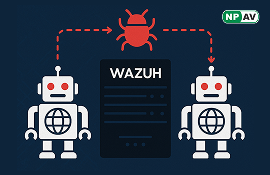 Read moreDiscover how two separate botnets exploit the critical Wazuh Server vulnerability (CVE-2025-24016) to launch Mirai-based DDoS attacks, targeting IoT devices and highlighting the urgency of cybersecurity measures.
Recent Posts