Cyber Attack
-
 Read moreThe Prometei botnet has resurfaced, targeting Linux servers for cryptocurrency mining and credential theft. Discover the sophisticated techniques used in this malware operation and how it poses a threat to enterprise infrastructure.
 -
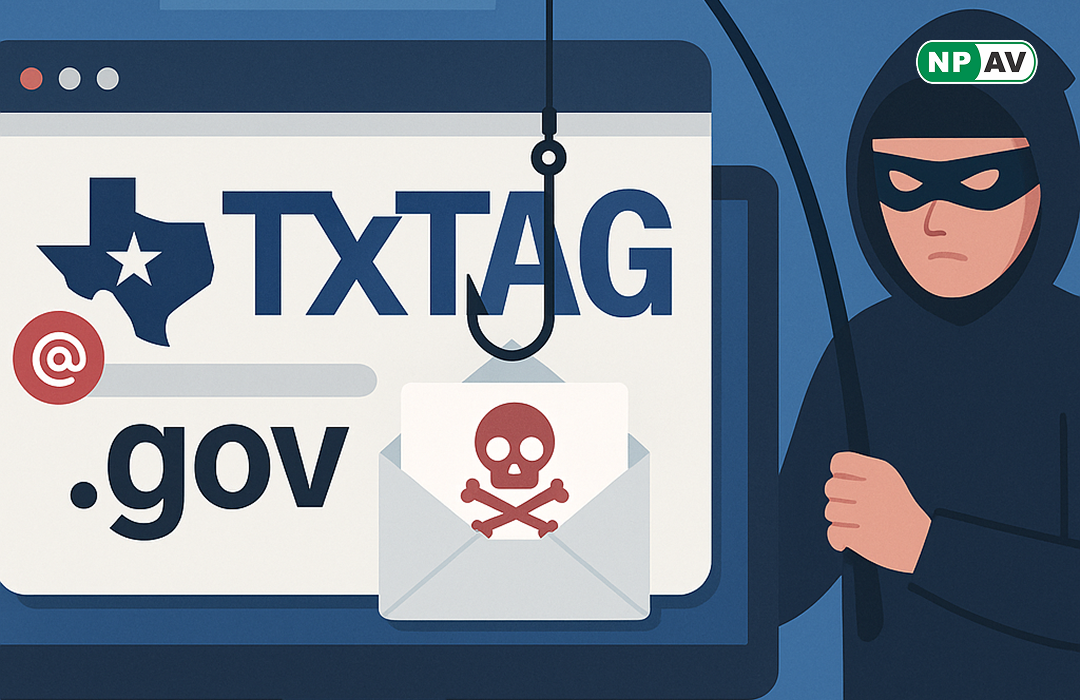 Read moreA new phishing campaign targeting employees uses fake TxTag toll payment notices and government domain spoofing to steal personal and financial information. Learn how to recognize and avoid this sophisticated scam.
 -
 Posted: June 19, 2025Views: 81Read moreIsrael-linked hackers, Gonjeshke Darande, breach Iran's largest crypto exchange, Nobitex, leaking sensitive data and allegedly siphoning $90 million. Explore the implications for users and the digital economy.
 -
 Read moreIn a major crackdown, the Hyderabad Cyber Crime unit has arrested 37 cyber fraudsters across six states, seizing ₹14.5 crore and refunding victims. Stay informed about the latest cybercrime trends and public safety advisories.
 -
 Read moreGoogle warns that the Scattered Spider cybercrime group is now targeting U.S. insurance firms, employing advanced social engineering tactics against IT support teams. Learn how to protect your organization.
 -
 Read moreZoomcar Holdings, Inc. has reported a major data breach affecting 8.4 million users. Discover how the incident exposed sensitive personal information and the company's response to the cybersecurity threat.
 -
 Read moreClicking “unsubscribe” in your email may seem harmless, but it could expose you to scams and security risks. Learn how cybercriminals exploit unsubscribe links and how to stay safe.
 -
 Read moreA father-son duo has been implicated in a ₹64 lakh cyber fraud involving UPI transfers from a State Bank of India account at the Indore district court. Discover the details of this shocking breach.
 -
 Read moreA serious vulnerability in IBM Backup, Recovery, and Media Services (CVE-2025-33108) could allow attackers to escalate privileges and execute malicious code. Learn about the risks and mitigation steps.
 -
 Read moreA woman from West Bengal has been arrested for her role in a ₹74.10 lakh investment fraud in Odisha. Learn about the scam's details and the rising trend of cybercrime targeting investors.
Recent Posts