Website hacks
-
 Read morePublic Wi-Fi exposes you to MitM attacks and data theft—learn to spot evil twin hotspots, use VPNs for encryption, enable 2FA, and stick to cellular for sensitive tasks to protect against rising breaches in cafes and airports.
-
 Read moreCritical command injection flaw in Figma's MCP server (CVSS 7.5) allows RCE via unsanitized inputs in curl fallback; patched in v0.6.3. Imperva warns of risks in AI dev tools like Cursor—avoid exec with untrusted data amid rising LLM threats like Gemini's ASCII smuggling.
-
 Read moreRussian regional airline KrasAvia suffers a cyberattack causing website outage and halting online ticket sales. Flight operations switch to manual control as investigation continues.
-
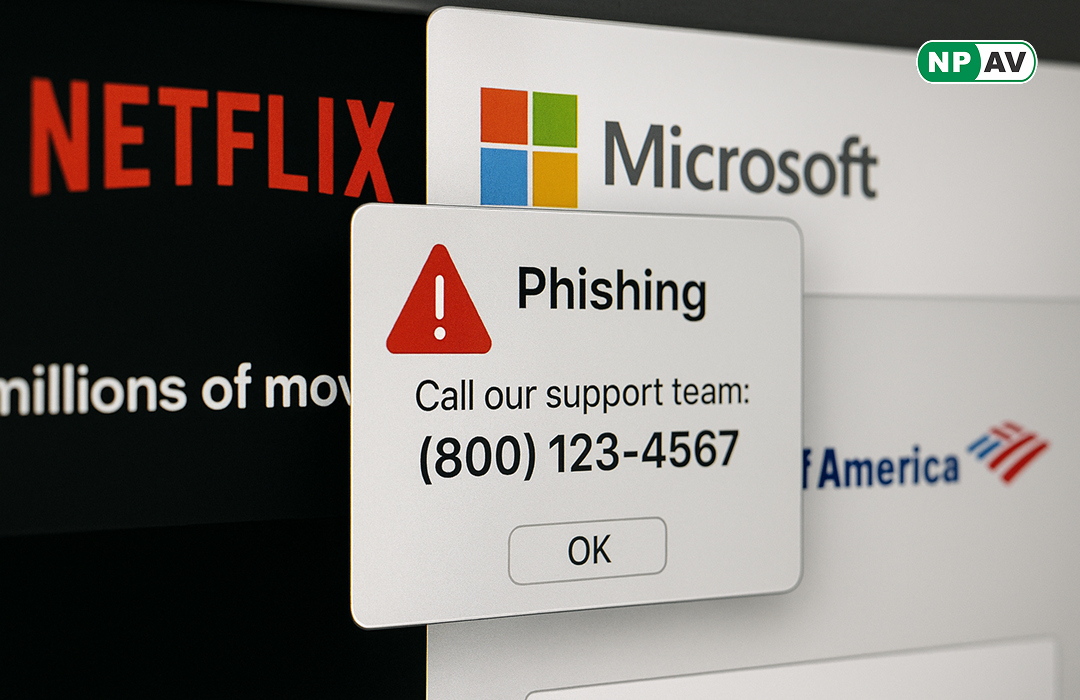 Read moreA sophisticated scam operation is hijacking websites of major companies like Netflix, Microsoft, and Bank of America to display fake phone numbers. Learn how these scams work and how to protect yourself.
-
 Read moreA sophisticated malware campaign is targeting WordPress and WooCommerce sites with obfuscated credit card skimmers and credential theft tools. Learn about the advanced techniques and implications of this growing e-commerce cyber threat.
-
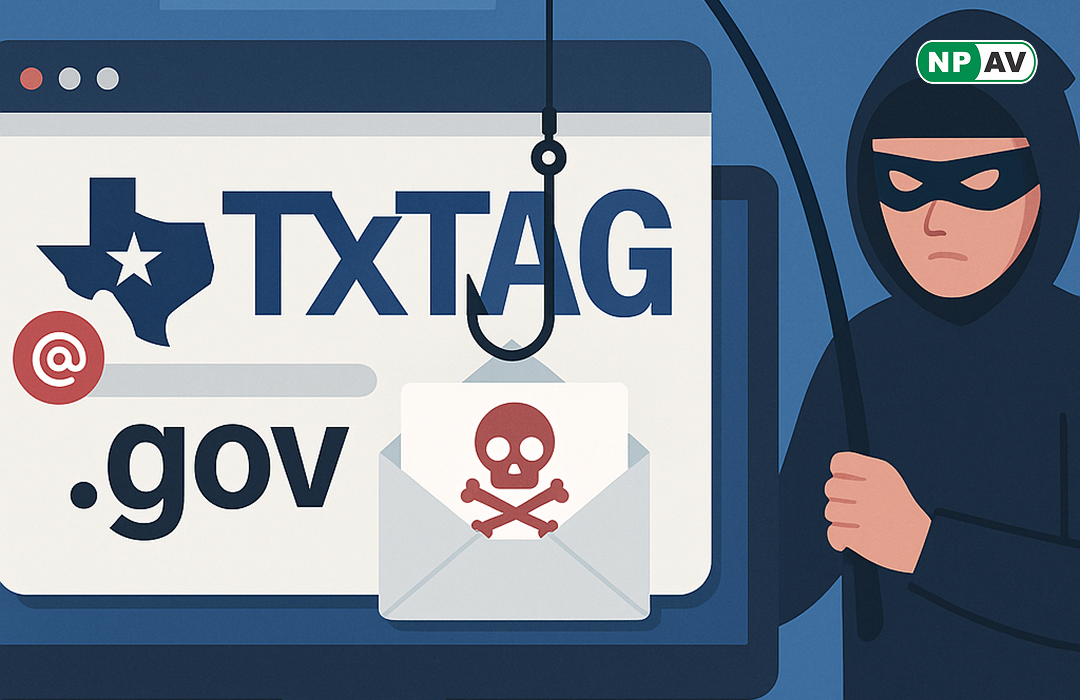 Read moreA new phishing campaign targeting employees uses fake TxTag toll payment notices and government domain spoofing to steal personal and financial information. Learn how to recognize and avoid this sophisticated scam.
-
 Read moreDiscover how the VexTrio scam network exploits WordPress sites to distribute malware and fraudulent schemes. Learn about the tactics used and the impact on global cybersecurity.
-
 Posted: June 10, 2025Views: 224Read moreLearn about the ransomware attack on Sensata Technologies, a leading industrial tech firm. Discover how the breach impacted operations, compromised customer data, and the company's response, including credit monitoring for affected individuals.
-
 Read moreA newly uncovered Magecart campaign is compromising online shopping platforms using stealthy JavaScript to silently harvest customers' credit card data. This multi-phase attack uses advanced obfuscation, real-time data exfiltration, and persistent backdoor access to remain undetected and devastatingly effective.
-
 Read moreCybercriminals have exploited over 150 Indian government and financial websites to trick users into fake gambling and investment scams. By injecting malicious code into trusted domains, they manipulate search engine rankings, redirecting visitors to fraudulent rummy and casino websites. This attack highlights the urgent need for stronger cybersecurity measures to protect public sector platforms.
Recent Posts