Npav Lab
-
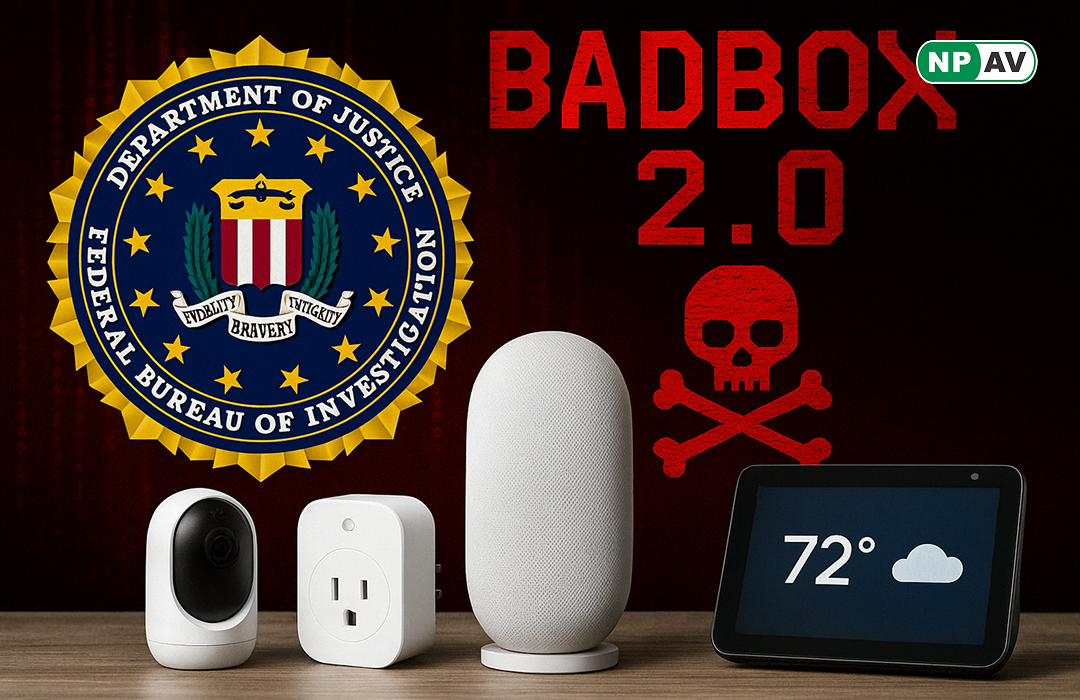 Read moreFBI warns of BADBOX 2.0 botnet infecting smart devices with pre-installed malware, enabling cybercriminals to hijack home networks and conduct illegal activity.
 -
 Read moreA major cyber fraud incident in Mumbai has seen a hacker breach the Aditya Birla Capital app, selling ₹1.95 crore worth of digital gold from 435 accounts. Learn about the breach and ongoing investigations.
 -
 Read moreA critical vulnerability in TeamViewer for Windows allows local attackers to delete files with SYSTEM privileges. Learn about the risks and the importance of updating to the latest version.
 -
 Read moreA recent analysis reveals that hackers are targeting over 70 Microsoft Exchange servers to steal credentials using JavaScript keyloggers. Learn about the vulnerabilities exploited and the impact on organizations worldwide.
 -
 Read moreA sophisticated phishing attack has compromised over 2,000 devices by impersonating Social Security Administration communications. Learn how this campaign exploits trust and the infection mechanism behind it.
 -
 Read moreA sophisticated scam operation is hijacking websites of major companies like Netflix, Microsoft, and Bank of America to display fake phone numbers. Learn how these scams work and how to protect yourself.
 -
 Read moreA sophisticated malware campaign is targeting WordPress and WooCommerce sites with obfuscated credit card skimmers and credential theft tools. Learn about the advanced techniques and implications of this growing e-commerce cyber threat.
 -
 Read moreA newly registered threat actor claims unauthorized access to the backend panel and customer database of Netmeds, potentially exposing sensitive data of 6.4 million users. Learn more about the implications and assessment of this alleged breach.
 -
 Read moreA sophisticated cyber espionage campaign, dubbed "LapDogs," has compromised over 1,000 SOHO devices worldwide using a custom backdoor. Discover the tactics and implications of this covert operation linked to China.
 -
 Read moreUttarakhand STF arrests the mastermind behind a ₹3.20 crore cyber fraud, using fake identities and banking credentials to deceive victims. Learn more about the operation and its implications.
Recent Posts